Tuesday, 30 June 2015

My Service To You!

Maintain Your Best Body!


What’s the best plan for you?

It’s a question I hear all the time.  Often when I meet a new client, they’ll say to me, “I heard that the best way to lose weight is to go vegan” or, “to stay away from carbs” or, “to stop eating after 5 o’clock”. And I always respond by – “the best weight loss plan is the one that works for you”.  If there were a single “best diet” for weight loss – one that worked for everyone – we probably wouldn’t hear about some new diet craze every few months.

I am a health and fitness coach at Herbalife international, a company that markets weight-loss products and programs, and I believe there’s really no ‘one size fits all’ when it comes to a weight loss.  Maybe you know someone who lost weight by going vegan, or cutting carbs, or by not eating after the sun goes down – but you know yourself well enough to know that those strategies just won’t work for you.

That’s why, when I first meet with a new client, I conduct a thorough wellness evaluation to determine exactly what the need/goal and objective of my client is. By conducting this evaluation and taking my clients needs in consideration, Ill construct a proper wellness report including a tailored nutritional plan.

The best weight loss plan for you is one that will take all these factors into account – your lifestyle, your usual eating patterns, your likes and dislikes.   I can’t stress how important this is, because the one thing you can’t (and shouldn’t) do is to put your life on hold in order to lose weight.  Remember, whatever you do in order to get the weight off, is the same thing you’re going to do in order to keep it off – you’re just practicing for the long run, so you may as well figure it out from the starting gate.

Monitoring my clients!


One crucial part of my program is monitoring my clients. 
So why do I monitor my clients closely you ask?

To succeed in fat loss with Herbalife, a good coach is necessary. A coach can advise you on the suitable products for your goals, and draw up a plan for you to maximize your results. Herbalife products work differently on different people as everyone is unique. Also, your product needs will change as your body changes during your fat loss journey. A coach can also monitor your progress, and having someone checking on you can prevent you from losing motivation and giving up. Look for a coach who has good knowledge on the products, and has a good track record with his/her customers. Talk to them, send them emails and get a consultation before you commit. Most dedicated coaches would be more than happy to talk to you and find out about your goals. You can find out more about my coaching here.

Coaching my clients

Knowledge is the key to success for everything, including weight loss with Herbalife. There is a ton of information with regards to exercise, fitness, nutrition and weight loss tips. Its my duty to coach my clients in all these aspects to ensure a clear understanding on why and how to follow the set program.


A Support System 

I create a proper support system around my clients to encourage and motivate them as far as possible. I have a 24hour open phone policy to allow my clients to ask questions 24hours a day. 


NUTRITION KEPT SIMPLE IS THE KEY

So the rest is up to you!


Open the link below to claim your free wellness evaluation. 

OR

Inbox me at FitSpot24@gmail.com for any questions or consultations. 

Claim your free no obligation wellness evaluation here! 


Wednesday, 24 June 2015

MY 6 MONTHS SABBATICAL


My First

So this is my very first clip of many to come. My intention with this clip is to indicate the deterioration of certain characteristics when one stops being active.

Ill indicate my peak results v/s my current results.

From being a active athlete to the average couch potato for 6 months.

Luckily not to this extend LOL.

Wandering what the downwards trend in my results will be? - well me to, lets have a look.

So sit back and do enjoy what you are about to see. Open my video below;

The Beginning 2015-06-24


FitSpot24 Wellness Evaluations

UNDERSTANDING YOUR MEASUREMENTS
So what does my wellness evaluations consist of?

Body Fat % 

What is body fat percentage? (Applicable age 5 - 99) Body fat percentage is the amount of body fat as a proportion of your body weight. Reducing excess levels of body fat has shown to reduce the risk of certain conditions such as high blood pressure, heart disease,diabetes and cancer.


What is total body water percentage? (Applicable age 18 - 99)


Total Body Water Percentage is the total amount of fluid in a person’s body expressed as a percentage of their total weight. Water plays a vital role in many of the body’s processes and is found in every cell, tissue and organ.

Maintaining a healthy total body water percentage will ensure the body functions efficiently and will reduce the risk of developing associated health problems. Your body water levels naturally fluctuate throughout the day and night. Your body tends to be dehydrated after a long night and there are differences in fluid distribution between day and night. Eating large meals, drinking alcohol, menstruation, illness, exercising, and bathing may cause
variations in your hydration levels.

Your body water percentage reading should act as a guide and should not be used to specifically determine your absolute recommended total body water percentage. It is important to look for long term changes in total body water percentage and maintain a consistent, healthy total body water percentage. Drinking a large quantity of water in one sitting will not instantly change your water level. In fact, it will increase your body fat reading due to the additional weight gain. Please monitor all readings over time to track the relative change. Every individual varies but as a guide the average total body water percentage ranges for a healthy adult are:

Female : 45 to 60%
Male : 50 to 65%


What is visceral fat rating? (Applicable age 18 - 99)

This feature indicates the rating of visceral fat in your body. Visceral fat is the fat that is in the internal abdominal cavity, surrounding the vital organs in the trunk (abdominal) area. Research shows that even if your weight and body fat remains constant, as you get older the distribution of fat changes and is more likely to shift to the trunk area especially post menopause.

Ensuring you, have healthy levels of visceral fat my reduce the risk of certain diseases such as heart disease, high blood pressure, and the onset of type 2 diabetes. The Tanita Body Composition Analyzer will provide you with a visceral fat rating from 1 – 59.
Rating from 1 to 12
Indicates you have a healthy level of visceral fat. Continue monitoring your rating to ensure that it stays within the healthy range.
Rating from 13 – 59
Indicates you have an excess level of visceral fat. Consider making changes in your lifestyle possibly through diet changes or increasing exercise.


What is metabolic age? (Applicable age 18 - 99)

This feature calculates your BMR and indicates the average age associated with that type of metabolism. If your BMR Age is higher than your actual age, it is an indication that you need to improve your metabolic rate. Increased exercise will build healthy muscle tissue, which will improve your metabolic age.
You will obtain a reading between 12 and 90. Under 12 will be displayed as “12” and over 90 displayed as “90”.


What is muscle mass? (Applicable age 18 - 99)

This feature indicates the weight of muscle in your body. the muscle mass displayed includes the skeletal muscles, smooth muscles (such as cardiac and digestive muscles) and the water contained in these muscles.
Muscles play an important role as they act as an engine in consuming energy. As your muscle mass increase, your energy consumption increases helping you reduce excess body fat levels and lose weight in a healthy way.


What is bone mass? (Applicable age 18 - 99)


This feature indicates the amount of bone (bone mineral level, calcium or other minerals) in the body. Research has shown that exercise and the development of muscle tissue are related to stronger, healthier bones. While bone structure is unlikely to make noticeable changes in a short period, it is important that you develop and maintain healthy bones by having a balanced diet and plenty of exercise.
People worried about bone disease should consult their physician. People who suffer from osteoporosis or low bone densities due to advanced age, young age, pregnancy,hormonal treatment or other causes, may not get accurate estimations of their bone mass. Below is the result of estimated bone masses of persons aged 20 to 40, who are said to have the largest amounts of bone masses, by weight. (Source : Tanita Body Weight Science Institute)
Please use the below charts as a guide to compare your bone mass reading.


Physique Rating

This feature assesses your physique according to the ratio of body fat and muscle mass in your body. As you become more active and reduce the amount of body fat, your physique rating will also change accordingly. Even though your weight may not change, your muscle mass and body fat levels maybe be changing making you healthier and at lower risk of certain deseases. Each person should set their own goal of which physique they would like and follow a diet and fitness programe to meet that goal.


Click on the link below to claim your free no obligation wellness evaluation.
Learn how to control what you can't see.

 Ask for your free Wellness Evaluation


Friday, 19 June 2015

5 diet mistakes you need to avoid

Some eating habits may seem healthy, but they could be making you fat.  Are you making any of these common diet mistakes?


5 diet mistakes you need to avoid | Healthy Eating Advice from Herbalife


Establishing healthy eating habits isn’t always as easy as it sounds.  Sure, the principles are pretty straightforward – eat plenty of veggies, keep your proteins lean and your grains whole – but when it comes to putting those habits into practice, some of these healthy-sounding habits can turn into big diet mistakes if you’re not careful.

When you think you’re doing everything right – but the scale says otherwise – it could be a diet mistake or two that’s making you gain weight.  Here are five healthy-sounding habits that – if they’re not done right – could be big diet mistakes.

Diet Mistake #1:  

You have oatmeal from the coffee store every morning.
Picking up breakfast at the local coffee store is a morning ritual for lots of people, and many people have given up their usual morning pastry with their coffee in favor of oatmeal.  They figure some oatmeal is a low-calorie way to work more whole grains into their day. It could be, but choosing coffeehouse oatmeal could also turn out to be a big diet mistake.
If you cooked up some steel-cut oats or rolled oats at home, you would  get a good dose of whole grains for only about 150 calories in a one-cup (200g) serving.  And, even if you added a dash of honey and some chopped fresh fruit, you’d still be eating only about 250 calories.  But, many oatmeal offerings at coffee stores have so many add-ins, that the calories can be nearly twice that.  By the time they dump in brown sugar, granola, sugary coated nuts, jam and banana chips, you’re looking at 500 calories for that same one-cup serving size. (About what you’d get if you ate a hamburger and a medium soda* for breakfast). Your best bet is to check all the oatmeal offerings and select one with the least added fat and sugar – and pair it with a piece of fresh fruit that you carry with you from home.

Diet Mistake #2:  

You always eat salad for lunch.
Say the word, “salad” and the first word that comes to most people’s minds is “healthy”.  And there certainly are healthy salads you can choose for lunch – like one made with a mixture of colorful vegetables, topped with some lean protein and a dab of vinaigrette dressing.  For those who are watching their weight, having a salad for lunch is often their first choice – but it’s not always the best one.  If you’re one of those people who always has “just a salad” for lunch, here are a few things to consider.
One of the biggest problems with restaurant salads is that they’re often overloaded with fat.  And it isn’t just from the dressing (although that’s a big offender at ~75 calories a tablespoon. My tip: always order dressing on the side so you can control how much you eat).   You also need to pay attention to how the protein in your salad is prepared, because it’s not always low in fat.  Grilled chicken on your salad is fine, but if the chicken comes in the form of  “crispy chicken strips” (translation:  fried chicken) you’d be wise to steer clear.
You also need to watch the fatty add-ins like cheese, bacon and other high-fat meats, fried tortilla strips or noodles, sour cream and oily croutons which can cause the calorie count to skyrocket.
For instance, a healthy-sounding spinach salad with grilled shrimp might be okay if it’s made simply with fresh spinach leaves – maybe some other vegetables – and topped with grilled shrimp. Even with a couple of tablespoons of vinaigrette dressing tossed in**, you’re probably looking at less than 500 calories.  But, one popular restaurant chain offers a healthy-sounding entrée-sized grilled shrimp and spinach salad that has 1000 calories and 44 grams of fat – about what you’d get if you ate four candy bars for lunch – because the fresh spinach and grilled shrimp is tossed with nuts, bacon and a hot bacon dressing.

Diet Mistake #3:  

You’re juicing.
Turning fruits and vegetables into fresh juices sounds like it should be a healthy habit, and many people turn to juicing as a way of incorporating more fruits and veggies into the diet.  But the juicing habit could be a big diet mistake – and there are a couple of reasons why.
Take vegetable juices and ‘green’ drinks, for example – they look fresh and healthy and sound as if they’d be a convenient way to get more greens.  But, most of these drinks aren’t simply vegetable juice – because if they were, they probably wouldn’t be all that tasty.  So, to make them taste good, many of these popular drinks have fruit juices added, too, which can boost the calories considerably.  I’ve seen bottled green juices with more than 350 calories  in (500mL)– to get that many calories from fresh whole veggies, you’d need to eat, for example, 11 cups (750g) of raw kale.
If you’re juicing only fruits, the calories add up even faster.  That’s because most juicers separate the juice from the pulp, which means you’re tossing out the filling fiber and drinking just the juice – which doesn’t fill you up nearly as much as the whole fruit would.  A whole medium-sized orange only has about 60 calories, but it takes 4 oranges to make a (360mL) glass of juice.  You probably wouldn’t eat 4 oranges in a sitting, but it’s not hard to suck down 240 calories’ worth of juice.
To get more vegetables and fruit into your diet, you are a lot better off if you stick with the whole foods, rather than the juice.

Image result for You're watching your gluten in order to lose weight

Diet Mistake #4:  

You’re watching your gluten in order to lose weight.
The popularity of gluten-free diets has brought a lot of gluten-free products to the marketplace.  Many people who aren’t gluten intolerant have switched to a gluten-free diet in the belief that it will lead to weight loss.  But that could be a big diet mistake.
Years ago – when gluten-free products weren’t as widely available as they are today – a gluten-free diet looked a lot different than it does today.   Back then, those shunning gluten had to give up bread, pasta, cakes, pies, cookies, pretzels and crackers (since the primary source of gluten in the diet is wheat, and anything made from it), and get more of their carbohydrates from fruits and vegetables instead – which isn’t a bad strategy for weight loss. But, with so many people clamoring for gluten-free products in the last few years, it’s now fairly easy to find gluten-free cereals, brownies, cakes, cookies and snack foods.
The diet mistake that’s often made here is that many assume that simply cutting out gluten – without paying attention to calories – will lead to weight loss.  If you decide to go this route, be sure to read your labels carefully.  As you search the words “gluten-free” on the label, don’t forget to look at the calorie count, too.  In many cases, the starchy wheat is simply replaced by refined starches from rice, corn or potato – which may not save you any calories.  And, some gluten-free products have a lot of added fat and sugar – often used to improve flavor or texture, so the calories can be very high.
A better strategy is to replace your gluten-containing grains (wheat, barley, rye, kamut, spelt) with other healthy, gluten-free whole grains like quinoa or millet.

Image result for You eat too much after you exercise

Diet Mistake #5:  

You eat too much after you exercise.
Many people overestimate how many calories they burn during a bout of exercise, and then ‘make up’ for it by overeating afterwards.  If you don’t estimate your calorie expenditure accurately, it could be easy to convince yourself that you’ve burned off so many calories that you couldn’t possibly overeat the rest of the day.
Part of the problem is that you may not be exercising as hard as you think you are, or for as long, which means you probably haven’t burned off nearly as many calories as you think you have.  So you’ll be doing yourself a favor if you really keep close tabs on how much exercise you’re actually getting .  And, once you see how much exercise it takes to burn off even a small snack (…you’d have to bike for 20 minutes to burn off the calories in two small cookies), this is one diet mistake you’re not likely to make again.

Image result for nutrition training

Susan Bowerman is Director of Nutrition Training at Herbalife. Susan is a Registered Dietitian and a Board-Certified Specialist in Sports Dietetics.

Thursday, 18 June 2015

Why Am I Not Losing Weight!?

The Importance Of Building Lean Muscle

You may think that you do not have to worry about how much lean muscle that you have if you are thin, and if you are not an athlete. 

Though most think of men when it comes to building up muscle, this is something that women should be doing as well. Building lean muscle can have a lot of good benefits for both sexes, and has more to do with how you feel and how your body performs than how you look in your dress clothes. If you know what to do, the benefits of this are too many to count.


So let me guess….you have tried everything to get that scale to move! Reducing calories…doing daily cardio… and still…..NOTHING! How frustrating right!? Does this sound familiar to you? Ladies especially are particularly suspect to this phenomenon, so ladies listen up..I am talking to you!

Guys, take some notes…this applies to you too!

So, lets get to the FACTS shall we?

I first would like to address the difference between WEIGHT loss & FAT loss because so many people, (especially women) get caught up in what the scale says and totally dismiss the more important question you should be asking yourself-How much FAT did I lose? –After all, isn’t that what you want gone!? Scales will not give you a true picture of the success or failure of your hard efforts toward “fat loss” simply because weighing total body weight is just that TOTAL weight-which consists of everything including muscle which you DO NOT want to lose because…


While you know exercise is good for you, you may not know the importance of building muscle through strength training. If your workouts only focus on aerobic exercise, you're missing a key component of overall fitness. Gaining muscle mass offers plenty of benefits for everyone. Strength training increases lean muscle mass, which helps your body burn calories more efficiently and improves your quality of life.

Weight Control

As far as metabolism goes, muscle mass is the "engine" of the calorie-burning machine. As you strength train and increase your muscle mass, you build a bigger, more efficient engine that burns more calories and helps you lose weight. The more toned your muscles, the easier it is to maintain your weight. In fact, the higher your muscle mass, the more calories you'll burn when you rest. For every pound of muscle you gain, your body uses about 50 extra calories a day.


Increased Strength

People lose about 10 percent of their muscle by age 50, according to the American College of Sports Medicine. By the time you reach your 60s and 70s, your muscle strength will decrease by about 15 percent per decade -- and about 30 percent thereafter. However, older adults who perform adequate strength and resistance training can increase their strength as much as threefold within two to three months. Increasing your strength will help you lead a more active lifestyle infused with spontaneous activity.

Conclusion:


Image result for Conclusion:


With that being said, lets break the senerio above of reducing calories and doing daily cardio and why this will never work for keeping the fat off for good! You see…when you reduce calories below your basal metabolic rate, which is the minimum amount of calories the body needs at rest just to keep you alive, your body goes into starvation mode! Now, understand that the body does not care that you are trying to lose weight…simply because all the body wants is to keep you alive.

Now, what do you think is the first to be lost when you start severely restricting calories? Yup…I hope you guessed it! MUSCLE. When you start severely reducing calories below that basal metabolic rate, the body says out goes the muscle and lets start storing more FAT because it thinks you are trying to starve it! NOT A GOOD IDEA as I hope you are starting to see.

Couple that calorie restriction with increased cardio in the absence of resistance/weight training and you have created a huge muscle wasting, fat storing, catabolic disaster! You will lose weight most certainly in the short term, but at what expense!?…You have burned all your fat-burning metabolically-active muscle and you will then soon discover you can no longer continue to lose any more weight.

You are now what I refer to as “skinny fat.” You may look skinnier but your body composition tells a different story. Your body has no muscle tone and therefore you look skinny and flabby at the same time! You can’t tell me that is sexy! …You also soon discover you have arrived at a familiar place that no one likes to be at…you have officially PLATEAUED! True weight loss is measured in terms of body composition and understand that it is more important to chart your body fat percentage and circumference measurements.

Measurements should be done every 6-8 Weeks to track your fat loss progress.  You should also pay attention to how your clothes are fitting as a better indicator than the scale weight.

Mitigation:


Image result for free wellness evaluation

Get your wellness evaluation ASAP!
Want to know your;

  • Body Fat %,
  • Body Water %,
  • Muscle Mass,
  • Physique Rating,
  • Metabolic Age,
  • DCI & BMR and 
  • Visceral Fat  
Inbox me at FitSpot24@gmail.com to obtain your FREE No Obligation  Wellness Evaluation. 


Tuesday, 16 June 2015

A Beginner’s Guide

Protein Shakes – A Beginner’s Guide


Curious about protein shakes but don’t know where to start?  

Here’s your go-to guide – how and why to use protein shakes, how to choose a protein shake mix, how to make a shake and how to personalize your protein shakes!

Protein Shakes – A Beginner’s Guide From Herbalife

If protein shakes aren’t part of your regular diet, it may be because you think they’re only meant for heavy-duty athletes or serious bodybuilders.  And while it’s true that many athletes use shakes to refuel after exercise, there are plenty of reasons why “regular folks” might want to consider protein shakes, too.  Plus, they’re quick, convenient, and fun to make!

What is in a Protein Shake?

While there is no set definition as to what a protein shake actually includes, it’s basically a drink that provides protein – and oftentimes additional nutrients as well, such as vitamins and minerals.  Some shakes are designed to simply supplement the diet with protein, while others are more nutritionally complete and can be used to replace a meal.   Some protein shakes are sold in ready-to-drink form, but many people prefer to make their own protein shakes by combining – at the very least – a protein powder and a liquid;  but they are often customized by the addition of other ingredients such as fruits and vegetables.

When and Why to Use a Protein Shake

As a quick, balanced meal.

Protein shakes that are designed to replace a meal are great for people who are meal-skippers.  They’re quick and convenient, and can provide balanced nutrition when time for meal preparation is limited.

As a meal replacement to help you lose weight. 

For those who are trying to lose weight, a meal replacement shake can be used to replace one or two meals per day.  Aside from being convenient, protein shakes have a defined calorie content and are portion controlled, which makes it easier to more accurately count calories and control total intake for the day.

As a supplement to help you gain weight.

For those who are trying to gain weight, protein shakes can be used to provide supplementary calories.  Drinking a protein shake in between meals or at bedtime can help to boost calorie intake.

To supplement your protein intake.

Another reason to consider using a protein shake is to boost your overall daily protein intake if it’s difficult for you to meet needs from your meals alone.  When you make your own protein shakes, you can adjust the amount of protein in your shake according to your individual needs.

As fuel before and after exercise.

Many people use protein shakes after a workout, but they’re also useful as pre-exercise meals, too.  Those who work out in the morning often like to ‘top off the tank’ with a light meal, and protein shakes can fill the bill.

As a means to improve your dietary balance. 

A simple protein shake is like a blank canvas – you can add all sorts of things to your shake that can help you meet your daily nutrition goals.  It’s easy to add a serving of fruit or vegetables, but you can also boost your fiber or your intake of healthy fats with the proper add-ins.


Choosing a Protein Shake Mix For Your Protein Shake

Some protein shake mixes are “complete” – they’re designed to be prepared simply by mixing them with water.  But, more typically, protein shake mixes are designed to be mixed with milk –the combination of the shake mix and the milk provides the right nutritional balance in the finished shake.

Protein powders derived from animal sources include whey and casein (both come from milk), as well as egg white protein.  For those who prefer to get their protein from plant sources, there are powders derived from sources such as soy, rice, pea, quinoa or hemp.

Some protein powders contain a blend of proteins. One reason for this is that different proteins are digested at different rates (whey protein is digested more quickly than casein, for example), so some people feel that blends are better at satisfying hunger.

Another reason is that – with the exception of soy – vegetarian proteins are not considered nutritionally complete.  So, many vegetarian protein powders contain a blend of several plant proteins – this way, the final product provides the full complement of essential amino acids and is, therefore, a complete protein.

Many protein powders are flavored, although you can find plain, unflavored powders, too.  Most people find that the tastiest shakes start with a flavored protein powder, such as Herbalife® Formula 1.  Then, they’ll customize the amount of protein in the shake by adding extra unflavored protein powder like Herbalife® Personalized Protein Powder if necessary for their needs.

Most protein shakes, when made according to the directions on the package, typically have about 15 to 20 grams of protein per serving. An Herbalife® Formula 1 shake made according to package directions supplies 18 grams of protein. 

Choosing a Liquid to Make Your Protein Shake

In order to get the proper nutritional balance in your shake, it’s important to make your shake according to the package directions.


If your protein shake mix calls for milk:

–  Many protein shake mixes are designed to be mixed with milk so that the finished product will have the nutritional balance that the manufacturer intended.  For this reason, only cow’s milk or soy milk should be used in products that are designed to be mixed with milk.

–  Both cow’s milk and soy milk contribute additional protein to your shake – another 9 grams or so.  These milks also provide additional vitamins and minerals that complement the nutrients in the shake mix, making the finished shake more nutritionally complete.

If your protein shake mix calls for water:

–  Water should be used only in those protein shake mixes that call for it.  These products are  nutritionally balanced on their own, and do not rely on additional nutrients from the “mixer” liquid. In place of plain water, you can also use black coffee or brewed tea if you like.

–  Rice, almond, hemp or oat milks provide very little protein, so these liquids are typically used in those protein shake mixes that are designed to be mixed with water.  These ‘milk alternatives’ will add a bit of flavor and a few extra calories to the shake, but very little protein.

–  Fruit juice doesn’t contribute any protein to your shake, either – so, again, it should be used in products that are designed to be mixed with water. But, fruit juices contain quite a few calories, so keep that in mind if you’re calorie-conscious.  On the other hand, if you’re trying to boost your calorie intake, using fruit juice in your shake might work for you.

–  Of course, milk or soy milk can also be used with protein shake mixes that are designed to be mixed with water – the addition of milk or soy milk will just boost protein content (and calories).

5 Ways to Customize Your Protein Shake
Add Protein to Your Protein Shake. 

Even though your protein shake already contains protein, you might want to include more if your protein needs are high.  You can add plain protein powder, of course, but you can also add foods like low fat cottage cheese, yogurt, ricotta cheese or silken tofu to boost protein content.

Add Fruits and Vegetables to Your Protein Shake. 

Adding fruits and vegetables to your protein shake is an easy way to get more servings of these healthy foods in your daily diet.  Frozen fruits and vegetables are convenient, and they give your protein shakes a thicker texture.  Experiment with different fruits and vegetables (you might start with sweeter veggies like carrots or butternut squash) and try different combinations – like pineapple with carrot, or banana with butternut squash.  When you’re feeling a little more bold, try adding more unusual ingredients to your shake –  like baby spinach leaves or beets.

Add Fiber to Your Protein Shake. 

Most protein shake mixes don’t contain a lot of fiber, and most people don’t eat as much fiber as they should, so try adding high fiber foods to your shakes.  Obviously, you can choose a dedicated fiber powder or go with fruits and vegetables, rolled oats, bran, or seeds such as sunflower, flax or chia seeds which all contribute fiber.

Add Calories to Your Protein Shake.

If your calorie needs are high, you can add rolled oats, nuts, nut butter, avocado, or dried fruit to boost the calorie content of your shake.
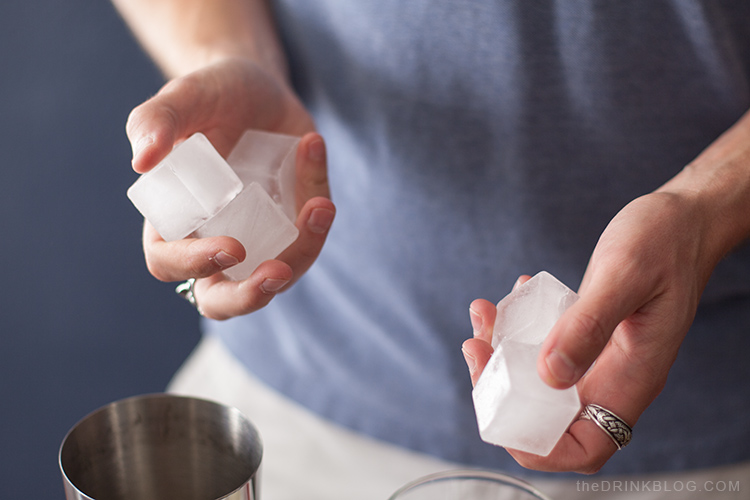

Add Ice to Your Protein Shake.

Ice makes a nice addition to a shake because it thickens up the liquid.  Ice also adds volume to your shake, so it increases the portion size without adding calories.  A great trick for those who are watching their weight!

***

How do you like to make your protein shake?  Share your favorite shake recipe!

For any additional information, inbox me at FitSpot24@gmail.com or just leave you mail address in the comment box. Have a blessed Wednesday. Whoop Whoop.